
Your routine before bed is how you tell your body and brain it’s time to switch off. Some people feel like they can’t sleep without having a hot bath, others rely on soothing teas. On average, the liver metabolizes one standard drink per hour, but this rate can vary. Residual alcohol and its metabolites can affect sleep quality even after you feel “sober,” so planning an alcohol cutoff well before bed remains the safest bet for restful sleep. If you notice consistent restlessness or awakenings, try extending your alcohol cutoff window (e.g., four or five hours before bed) and see if your sleep quality improves.
Taking the Next Step
- Melissa lives in New York with her boyfriend Joe and their poodle, Princess.
- Knowing this recovery phase enables one to prepare for adversity and commit to living sober.
- Some people may experience vivid dreams or nightmares as REM sleep, which was previously suppressed by alcohol, begins to rebound.
- It therefore has the unique ability to help you feel relaxed and upbeat at the same time.
You’ll also experience a surge in cortisol (that’s your stress hormone) and fluctuations in blood sugar levels after drinking, which add to that 3 a.m. Over time, even nights without alcohol feel rough because your body is still trying to reset. Some people in recovery may try to start drinking again to improve their sleep. However, the alcohol will continue to damage their sleep cycles, and the problem will not get better. Establishing good sleeping habits, also known as sleep hygiene, is an essential first step in good sleep.
Sleep divorce: The benefits of sleeping in separate beds
- Remember, these are averages based on research and does not apply uniformly to every individual experiencing insomnia after quitting alcohol.
- There are so many other ways to relax than consuming alcohol.
- The physical environment can have a significant impact on your ability to fall and stay asleep.
- Once you expel it from your life, the body can invest energy once assigned to battling alcohol’s toxic effects into nurturing and rebuilding itself.
- Early recovery can be a difficult time, because trying to get and stay clean can be very challenging.
- Alcohol withdrawal can lead to significant sleep disturbances, and trying to stop drinking on your own can be dangerous.
The quality and consistency of sleep typically continue to improve the longer you maintain sobriety. Your daily habits and environment can significantly impact the quality of your sleep. Take the Sleep Quiz to help inform your sleep improvement journey. Join our Sleep Care Community — a trusted hub of sleep health professionals, product specialists, and people just like you. Whether you need expert sleep advice for Sobriety your insomnia or you’re searching for the perfect mattress, we’ve got you covered.
The Role of Family and Support Systems
For individuals struggling with alcohol addiction, achieving restful sleep can be especially challenging. Alcohol withdrawal can lead to significant sleep disturbances, and trying to stop drinking on your own can be dangerous. Medical detox programs how to sleep without alcohol are essential for safely managing withdrawal symptoms and setting the foundation for long-term recovery.
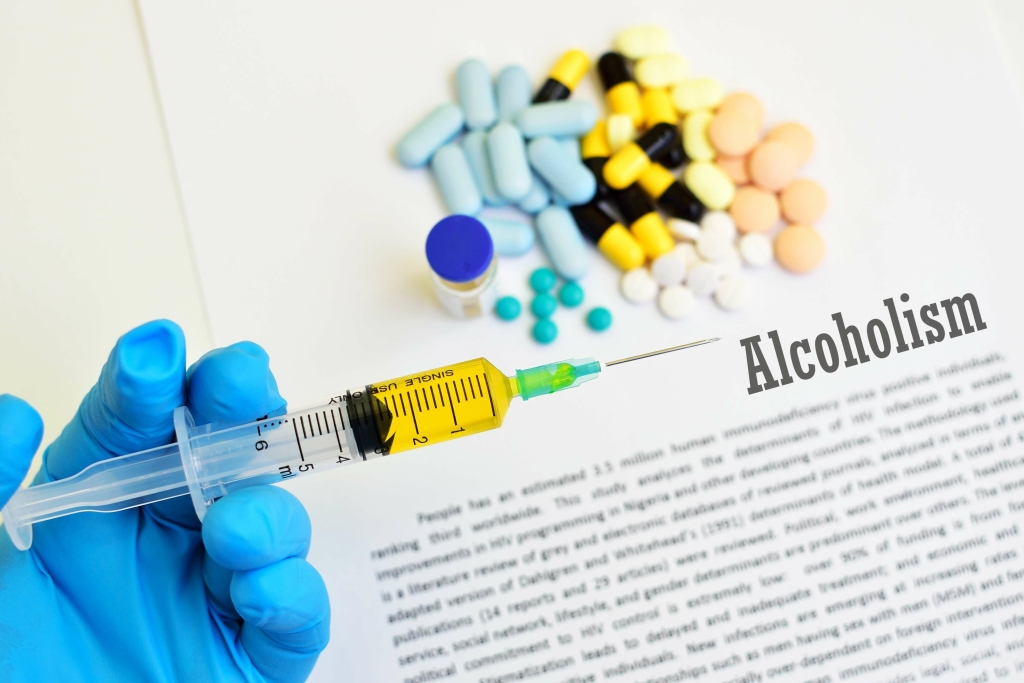
Every month, 150,000 people search for addiction or mental health treatment on Recovery.com. Caffeine is a stimulant that can interfere with your body’s ability to wind down and relax before sleep, so limiting intake in the hours leading up to bedtime can help. Another important aspect of getting good sleep without alcohol is creating a comfortable sleep environment. Invest in a comfortable mattress and pillows to ensure you have the right support while you sleep.
Poor sleep can lead to increased alcohol consumption as a coping mechanism, which in turn can further disrupt sleep patterns. I had a roller ball of lavender, which I turned into a calming ceremony of self-love. At some point, I stopped being afraid of bedtime, and I started looking forward to the time and space to rest. I started to listen to a bedtime meditation in my boozed-up state when I tucked myself in each night. I credit this as the sharpest tool in my early sobriety toolkit.
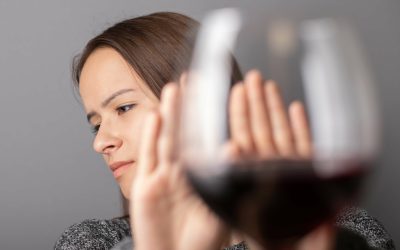
Though I don’t regret abstaining one bit, if I’m being honest, I don’t think I’m going to totally cut out alcohol forever. I don’t feel that’s sustainable for me, nor do I like rules when it comes to eating and drinking. But ditching alcohol for more than a month really showed me how much even one drink affected me. From getting a better night’s sleep and having more energy to losing weight, the benefits were huge.

Laisser un commentaire